AI's Goodwill Is Running Out. OpenAI's Brand Trip Proved It.
A famous face, a fashionable frame, and a product that never asks. The public has stopped agreeing to be the input.
Originally published in The Fault Line

In the middle of 140 arcadian acres in the Hudson Valley, New York, blanketed with meadows of native flowers and wild woodlands, a company’s first-ever brand trip unfolded like a postcard: custom pajamas, farm-to-table dinners, beekeeping at golden hour. But the postcard returned to sender. Within days, the comments underneath it had turned into something closer to a verdict.
When OpenAI sent a handful of influencers to a farm in upstate New York, they likely expected glowing mentions of all the painting workshops, beekeeping, and farm-to-table dinners they laid on. Instead, they got a salty backlash that shows just how far and how fast public opinion on AI is swinging.
Why did this trip backfire, and what does it tell us about how public sentiment toward AI is changing?
The public is becoming AI-literate, as we saw after the Hugging Face hack. The reaction to this brand trip shows us how that literacy is penetrating culture. If you look at the reactions to content posted from this trip, you can see that people aren’t just judging the content the influencers are putting out. They’re reacting to what it is trying to normalize:

People don’t seem to mind so much that their favorite influencer had a relaxing bath in their luxury cabin after attending an OpenAI event. They care that the company paying for the “nature-first” hotel venue is the same company building data centers that draw enormous amounts of energy, strain local power grids, and reshape the communities that host them. They care that the corporate hosts are trying to close vast data center deals and DoD contracts.
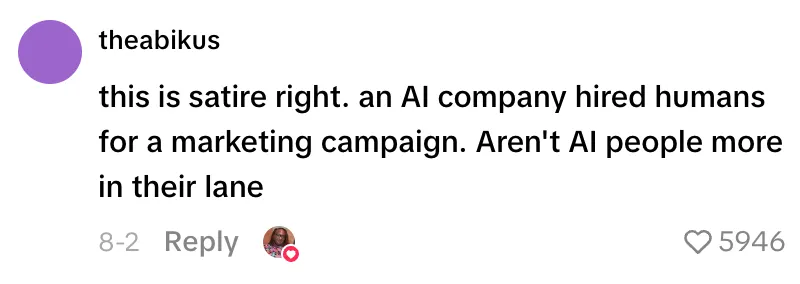
That’s why the luxury-nature setting became the message, with a company tied to energy-hungry data centers staging a retreat in pristine nature. And the comments on their videos turned the format against it: “next video will be a GRWM to tour a data center,” “can’t wait for the Lockheed Martin brand trip,” “it’s giving let’s bring a bunch of chickens to check out the KFC menu.”

Like the nationwide backlash against data centers, the anger here seems to be driven, in large part, by resistance to corporate overreach – the sense that people are being handed a future they don’t agree with, by companies and officials they have no reason to trust.
This is one reason the anti-data center movement continues to grow, even though some of its loudest claims don’t fully hold up to the facts. AI unease is real and growing. The influencer trip landed in that current.
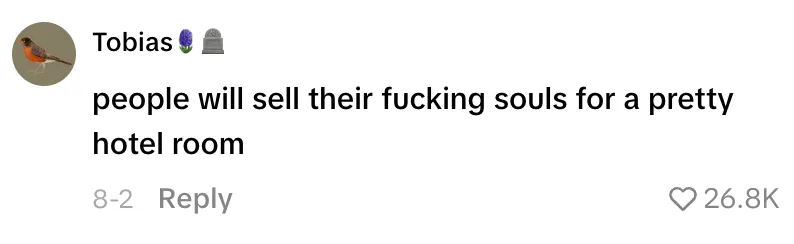
This change appears to be happening fast. Just a few months ago, in February, Microsoft flew creators to the Super Bowl for Copilot, and the trip passed without incident. What changed since then is the cultural position of AI. The reaction to this trip shows that in the last few months, the public mood around AI has soured substantially.

OpenAI’s mistake was assuming that a soft-focus retreat could warm up feelings about a company people have already turned against. But you can’t lifestyle-brand your way out of a concern this deep. Influencer marketing is forgiven all the time when a well-liked brand is making something people are glad to be a part of. It falls flat when a brand tries to charm a wary public without meeting them where they are. And public opinion on AI is turning fast. OpenAI didn’t seem to account for that.
A company staging a soft-focus retreat to warm up its image reads, to an already suspicious public, as one more attempt to be liked without asking to be trusted, celebrating itself while treating public objections as noise to market past.